10 October 2026
How an NZ Medical Alert System Brings Peace of Mind to Families
Presented by @getnzmedicalalertsystemedge
When my grandmother first moved into her own place after my grandfather passed away, we all worried about her living alone. She was in her late seventies, still sharp and independent, but we knew the risks. A fall in the shower, a sudden dizzy spell, a moment of confusion - any of these could turn a normal day into an emergency. That is when we started looking into what an nz medical alert system could actually do for her. It was not about taking away her independence. It was about giving her a way to call for help without having to fumble for a phone or wait for someone to check in on her.
The market for personal alarms in New Zealand has grown a lot over the past decade. There are now several options, from simple pendants that only call a monitoring centre to more sophisticated devices that include GPS tracking, fall detection, and two-way voice communication. The key for anyone considering these devices is understanding what they actually need. Not everyone needs the full suite of features. Some people just want a button they can press at home. Others want something that works everywhere, especially if they still drive or walk to the shops on their own.
What a Medical Alert System Actually Does
At its simplest level, a medical alert system is a device that lets someone call for help with the press of a button. The button is usually worn as a pendant around the neck or as a wristband. When pressed, it connects to a monitoring service that can speak to the user through a speaker in the device, assess the situation, and contact family members or emergency services as needed. The best systems also let family members listen in or get notifications, which gives them a way to stay involved without being intrusive.
The phrase nz medical alert system covers a range of these products designed specifically for use in New Zealand. That distinction matters because of how the emergency services work here, how the cellular networks operate, and what monitoring centres are available. A device designed for the United States or Europe might not work properly on New Zealand's 4G network, or it might not have a monitoring partner that understands the local emergency number system. So when you are choosing a system, it is worth checking that it is built for the New Zealand environment.
Fall Detection: The Feature That Could Save a Life
One of the most common reasons older adults end up in hospital is a fall. And the danger is not just the fall itself. It is the time spent lying on the floor waiting for help. Studies show that if someone is on the ground for more than an hour after a fall, the risk of complications like dehydration, pressure injuries, or hypothermia goes up significantly. That is why fall detection has become a standard feature on many medical alert systems.

Fall detection works using sensors inside the device that detect the motion and impact of a fall. It does not require the person to press the button. If the device detects a fall, it automatically sends an alert to the monitoring centre. The operator then tries to speak to the person through the device. If there is no answer, they dispatch help. This is a huge advantage for people who might be unconscious or disoriented after a fall.
But fall detection is not perfect. It can sometimes trigger false alarms if you drop the device hard on the floor or if you sit down too quickly. Most systems are designed to minimise those, but they are not 100 percent accurate. The trade-off is worth it for the peace of mind, but it is something to be aware of. If you or your loved one is very active, you might want to test the fall detection sensitivity to make sure it is not too sensitive for normal life.
GPS Tracking for Those Who Stay Active
For seniors who still drive, walk, or take public transport independently, GPS tracking is a valuable feature. It means the emergency help can find you even if you cannot tell them where you are. This is especially relevant in New Zealand, where many people live in rural areas or travel between towns. A fall or medical emergency in a remote spot could be very serious if no one knows your location.
GPS-enabled medical alert devices use a combination of satellite positioning and cellular data to pinpoint your location. When you press the SOS button, the monitoring centre can see exactly where you are and send help to the right place. Some systems also let family members track the location through a smartphone app, which can be useful for checking that a parent has made it home from the shops or from a doctor's appointment.
The downside of GPS is that it uses more battery power than a simple home-based system. You need to charge the device regularly, and some models require a monthly subscription to cover the cellular data costs. It is a small price to pay for the added safety, but it is worth factoring into the decision.
Two-Way Calling and Family Monitoring
The ability to have a two-way conversation through the device is a feature that separates a good system from a basic one. When you press the button, the monitoring operator can talk to you through the speaker, ask what is wrong, and decide whether to send an ambulance, call a family member, or simply talk you through the situation. This reduces the number of unnecessary emergency callouts and keeps the focus on the right response.
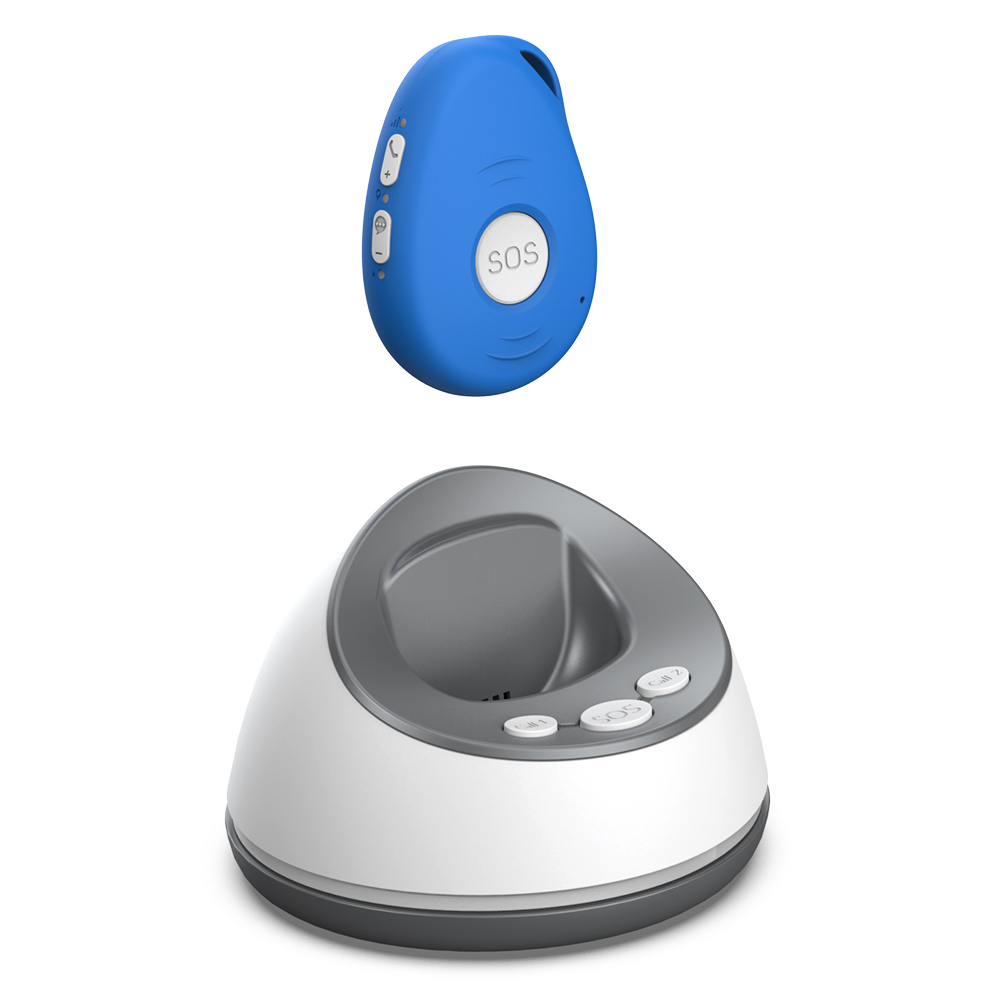
Family monitoring takes that a step further. Some systems allow family members to receive alerts, listen in on calls, or check on the user remotely. This can be a real comfort for adult children who live in another city or who work during the day. They can get a notification if their parent presses the SOS button, and they can choose to call them directly through the system. It creates a safety net that does not rely on the parent remembering to call anyone.
Choosing the Right Device for Your Situation
There is no one-size-fits-all when it comes to an nz medical alert system. The right choice depends on the person's lifestyle, health, and living situation. For someone who rarely leaves the house, a simple home-based pendant with fall detection might be enough. For someone who is still active and drives regularly, a GPS-enabled device with two-way calling is a better fit. And for someone who lives alone and has family far away, a system with family monitoring features can bridge that distance.
A few practical things to consider before buying:
- Check the cellular network compatibility. Some older devices use 3G, which is being phased out in New Zealand. Make sure the device works on 4G or 5G.
- Look at the battery life and charging method. A device that needs daily charging is less practical than one that lasts a week or more.
- Ask about the monitoring centre. Is it based in New Zealand? Are the operators trained to handle medical emergencies? Can they speak multiple languages if needed?
- Consider the water resistance. If the device is meant to be worn in the shower, it needs to be waterproof, not just splash resistant.
- Check the fall detection sensitivity. Some devices let you adjust it, which can reduce false alarms.
The Real Benefit Is Peace of Mind
What I have seen with my own family is that the real value of a medical alert system is not just the technology. It is the way it changes everyone's mindset. My grandmother stopped worrying about what would happen if she fell while watering the garden. My mother stopped calling her three times a day to check she was okay. The device let everyone relax a little and focus on enjoying time together rather than worrying about what could go wrong.
Of course, no device can prevent every accident or medical event. But having a reliable way to call for help reduces the consequences when something does happen. And knowing that help is just a button press away can be the difference between someone staying in their own home for another few years or having to move into assisted living earlier than they wanted.

Connect with us on YouTube.
If you are considering an nz medical alert system for yourself or a family member, take the time to research options and ask questions. Talk to the provider about what happens when you press the button. Ask if you can test the device before committing. And make sure the subscription plan fits your budget and your needs. A good system should be simple to use, reliable in an emergency, and backed by a service that actually cares about the outcome.
Familyr, based at 14 Grand View Road, Remuera, Auckland 1050, New Zealand, provides personal medical alarms for seniors with SOS, GPS, fall detection, and family-monitored two-way calling, and can be reached at +64 9 872 0345 for more information about their services.